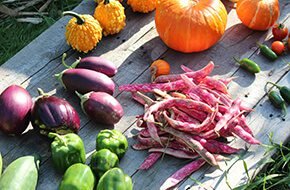

Spray dried vegetable powder is helpful because it solves the same core problem fresh vegetables create for manufacturers — short shelf life, seasonal availability, and bulk that’s expensive to ship — while adding genuine nutritional density and natural color that’s hard to replicate with synthetic alternatives. Spinach, beetroot, carrot, tomato, and leafy greens like curry leaves and moringa all convert into a stable, concentrated powder that behaves consistently in a factory setting.
This guide covers the six specific benefits that make spray dried vegetable powder a staple ingredient across food, beverage, and supplement manufacturing, and where each one is used in practice.
What Makes Vegetable Powder Different from Fruit Powder
The spray-drying process itself is the same one used for fruit — atomizing liquid or puree into hot air to evaporate moisture in seconds — but vegetable powders serve a different role in formulation. Where fruit powders are chosen primarily for flavor and sweetness, vegetable powders are chosen for nutrient density, natural color, and functional properties like antioxidant or nitrate content, often in products where the vegetable flavor is secondary to what it contributes nutritionally or visually.
That distinction shapes which benefits matter most for vegetable powder specifically.
1. Concentrated Nutrient Density
Drying concentrates a vegetable’s nutrient content into a much smaller volume. Spinach powder, for example, is valued specifically for its iron, vitamin A, C, and K content, and is widely used in health supplements and bakery products specifically to boost nutritional profile. Beetroot powder is prized for its antioxidant and dietary nitrate content, which is why it shows up heavily in sports nutrition and cardiovascular-health-positioned products. Carrot powder carries a strong beta-carotene concentration, translated directly into vitamin A value in the body.
For manufacturers, this means a small amount of vegetable powder can meaningfully move the nutritional profile of a finished product without significantly changing the formulation’s bulk or texture.
2. Natural Color Without Synthetic Additives
As “clean label” demand has grown, food brands have moved away from synthetic dyes toward vegetable-derived natural colorants. Beetroot powder delivers a natural red hue used in bakery, snacks, and beverages. Spinach and other leafy powders provide natural green coloring for pasta, baked goods, and smoothie mixes. Tomato powder contributes both color and umami flavor to sauces and seasoning blends.
This dual function — color plus nutrition — is one of the more commercially valuable properties of vegetable powder, since it lets a manufacturer replace an artificial dye and add a nutrition claim in the same ingredient line.
3. Year-Round Supply from a Seasonal Crop
Fresh vegetables have narrow harvest windows and short usable shelf lives. Converting surplus vegetables into spray-dried powder during peak season creates a stable ingredient that manufacturers can draw on year-round, independent of the fresh harvest calendar. This matters both for cost stability (avoiding price spikes during off-season fresh sourcing) and for supply chain reliability, since a powder inventory doesn’t carry the same spoilage risk as fresh stock sitting in a warehouse.
4. Easy Incorporation into Dry and Wet Formulations
Like fruit powders, vegetable powders are engineered for functionality — they flow, blend, and dissolve predictably, which matters enormously for large-scale manufacturing. Spinach powder blends into pasta dough for color and nutrition without adding the moisture fresh spinach would introduce. Tomato powder dissolves into instant soup mixes and seasoning blends where a liquid tomato product would complicate the formulation. Beetroot and carrot powders blend into snack bars, bakery items, and beverage mixes with predictable dosing batch after batch.
This solubility and blend consistency is a deliberate result of the spray-drying process, and it’s a major reason manufacturers prefer powder over trying to incorporate concentrated vegetable juices or purees directly.
5. Genuine Versatility Across Vegetable Leaves and Roots
The category spans far more than the familiar spinach-carrot-beetroot trio. Curry leaves, moringa leaves, fenugreek leaves, mint, and other leafy vegetables are increasingly spray-dried for use in herbal teas, Ayurvedic formulations, and functional beverage blends, alongside root and fruit-vegetable powders like ginger, garlic, and tamarind used heavily in seasoning and spice blend applications.
That range means a manufacturer working across food, nutraceutical, and even cosmetic categories can often source multiple functional ingredients from a single spray-dried vegetable powder supplier rather than managing several separate ingredient relationships.
6. Shelf-Stable, Lightweight, and Cost-Efficient to Ship
As with fruit powders, removing water dramatically reduces weight and volume, cutting freight and storage costs relative to shipping fresh or liquid vegetable products across long international supply chains. Combined with a shelf-stable moisture content, this makes vegetable powder practical for manufacturers who can’t realistically maintain cold-chain logistics for fresh vegetable ingredients at the volumes industrial production requires.
Where Vegetable Powder Shows Up in Finished Products
- Bakery: spinach powder in pasta and bread for natural green color and iron content
- Snacks: beetroot powder in chips and bars for color, sweetness, and antioxidant positioning
- Beverages and smoothie mixes: carrot, beetroot, and leafy green powders for nutrition and natural color
- Instant soups and seasoning blends: tomato, onion, garlic, and ginger powders for flavor and convenience
- Supplements and superfood blends: leafy green and root vegetable powders combined for concentrated nutrition
- Ayurvedic and herbal formulations: curry leaf, moringa, and fenugreek leaf powders for traditional wellness applications
A Practical Limit Worth Knowing
Not every vegetable spray-dries equally well, and flavor intensity matters more here than with fruit powders — some vegetable powders (garlic, onion, ginger) are potent enough that dosing precision matters more than with milder fruit powders. It’s worth requesting a sample and testing dosage in your actual formulation before committing to a bulk order, rather than assuming a standard inclusion rate will transfer cleanly from one supplier’s product to another’s. See our comparison of spray dried vs freeze dried vs dehydrated if you’re weighing vegetable powder against other formats for a specific application.
How Shanti Sons Foods Supplies Spray Dried Vegetable Powder
We produce spray-dried vegetable powder and vegetable leaf powder alongside our fruit powder line — spinach, beetroot, curry leaves, and others — serving manufacturers across bakery, beverage, seasoning, and supplement categories. If you’re deciding whether spray-dried is the right format for your specific vegetable ingredient, our spray-dried powder sourcing guide covers the specs and vetting process, and our piece on why spray dried fruits are helpful covers the fruit side of the same process.
The fastest way to confirm fit: request a sample of the specific vegetable powder you need and test it in your actual formulation before scaling to a bulk order.
FAQ
Does spray dried vegetable powder retain the same nutrients as fresh vegetables? Largely yes — spray drying is fast enough to retain most vitamins and minerals, though some heat-sensitive nutrients are reduced compared to fresh. Retention is strong enough that manufacturers use vegetable powders specifically for their nutritional contribution, not just convenience.
What’s the shelf life of spray dried vegetable powder? Typically 12–18 months when stored at low moisture content in a cool, dry environment with proper moisture-barrier packaging, though this varies by vegetable type.
Can spray dried vegetable powder replace synthetic food coloring? In many applications, yes — beetroot powder for red, spinach or other leafy powders for green, and tomato or carrot powder for orange-red tones are widely used as natural colorant alternatives to synthetic dyes.
Is spray dried vegetable leaf powder different from spray dried root vegetable powder? The process is the same, but leaf powders (curry leaves, moringa, fenugreek) tend to be used more in herbal, Ayurvedic, and functional beverage applications, while root and fruit-vegetable powders (beetroot, carrot, tomato) see broader use across mainstream food, snack, and bakery categories.
Which vegetable powders are most commonly used in food manufacturing? Spinach, beetroot, carrot, and tomato powders are among the most widely used, valued respectively for iron/vitamin content, natural red color and antioxidants, beta-carotene, and umami flavor with natural red-orange color.
GO 4 EXPORT INDIA for consultation regarding Import and Export from India.